Understanding the Role of a Përkthyesi Gjyqësor: Expert Insights


Understanding the Role of a Përkthyesi Gjyqësor
In the complex world of legal proceedings, the role of a *Përkthyesi Gjyqësor*, or court translator, is crucial. These professionals ensure that language barriers do not impede justice. By accurately translating legal documents and court proceedings, they help maintain the integrity of the legal process.
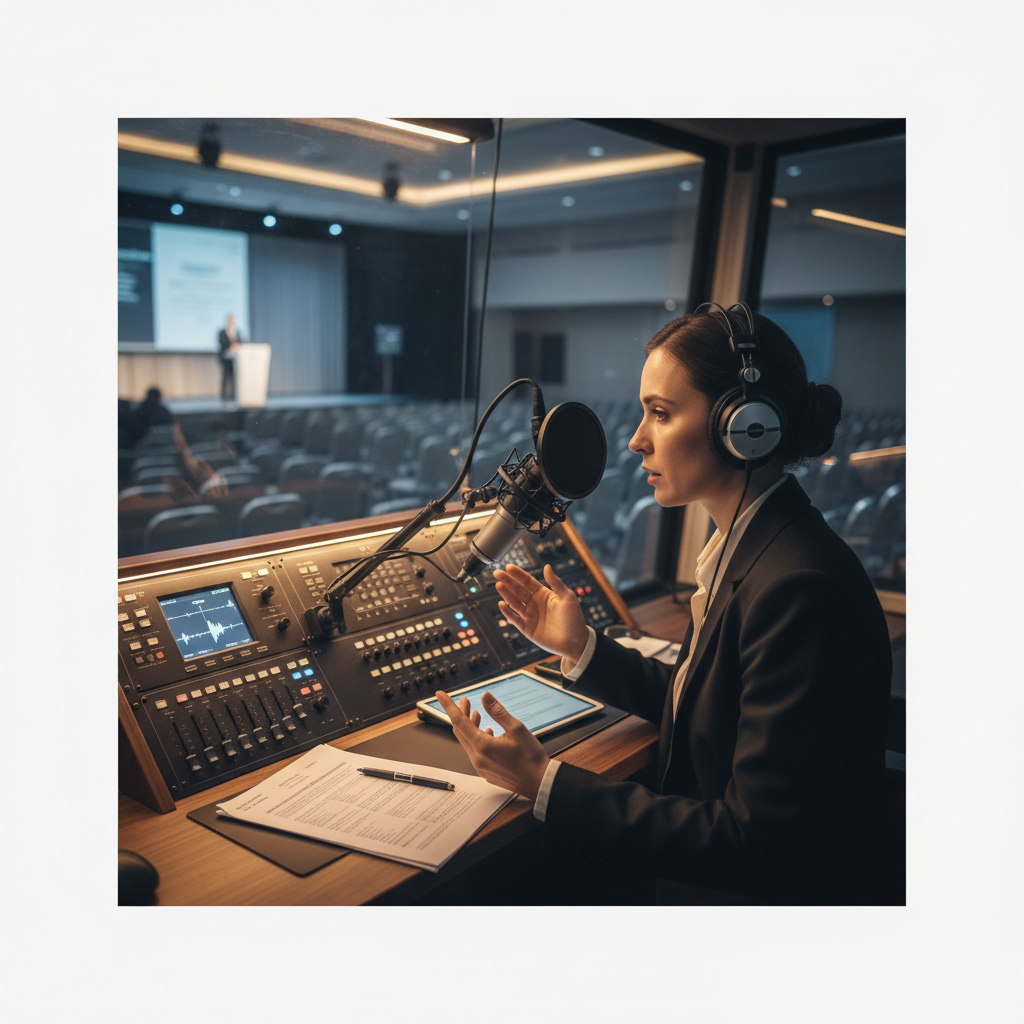
What Does a Përkthyesi Gjyqësor Do?
A Përkthyesi Gjyqësor is responsible for translating spoken and written content during legal proceedings. Their work extends beyond mere translation; they interpret the nuances and legal terminology that are critical in a courtroom setting. This requires not only fluency in multiple languages but also a deep understanding of legal jargon and concepts.
These translators often work in high-pressure environments, where accuracy and speed are paramount. They might translate testimony, court rulings, or legal arguments, making their role indispensable in ensuring fair trials.

Skills Required for a Court Translator
Becoming a successful Përkthyesi Gjyqësor requires a unique set of skills. Firstly, linguistic proficiency is essential. Court translators must be fluent in both the source and target languages. Moreover, they need to possess strong comprehension skills to understand complex legal concepts.
- Excellent command of legal terminology
- Ability to work under pressure
- Strong attention to detail
- Good communication skills
In addition to these skills, court translators often undergo specialized training to familiarize themselves with the legal systems of the languages they work with.

The Importance of Confidentiality
Confidentiality is a cornerstone of a court translator's responsibilities. They are often privy to sensitive information that, if disclosed, could compromise a legal case. As such, maintaining strict confidentiality is a key ethical obligation for any Përkthyesi Gjyqësor.
Many jurisdictions require court translators to sign confidentiality agreements, underscoring the importance of this aspect of their work.
Challenges Faced by Court Translators
The role of a court translator is not without its challenges. They must navigate cultural differences and interpret emotions accurately. Misinterpretations can lead to misunderstandings, potentially affecting the outcome of a case. Therefore, court translators must remain neutral and precise in their work.
Additionally, they often face time constraints and must keep up with the fast pace of courtroom proceedings, making their job both demanding and rewarding.

The Impact of Technology
Technology is increasingly playing a role in the work of court translators. Tools such as translation software and electronic dictionaries can aid in accuracy and efficiency. However, the nuanced nature of legal translation means that human expertise remains irreplaceable.
While technology can assist in certain aspects, the human touch is essential for understanding context, tone, and subtleties that machines cannot yet replicate.
In conclusion, the role of a Përkthyesi Gjyqësor is vital in bridging language gaps within the legal system. Their expertise ensures that all parties receive fair representation, regardless of language barriers. As legal systems continue to evolve, the demand for skilled court translators is likely to grow, highlighting the importance of this essential profession.