The Ultimate Guide to Judicial Translations: What You Need to Know


Understanding Judicial Translations
Judicial translations are a critical component of the legal system, providing precise translation of legal documents, proceedings, and more. These translations require a deep understanding of legal terminology and concepts, often in multiple languages. Whether you’re a lawyer, a business, or an individual involved in international legal matters, understanding judicial translations is essential.
Unlike general translations, judicial translations must adhere to specific legal standards. The accuracy of these translations can impact legal decisions, making it crucial to select a qualified translator with specialized knowledge in the legal field.

Why Judicial Translations Matter
The importance of judicial translations cannot be overstated. They ensure that all parties involved in a legal matter have a clear and precise understanding of the documents and proceedings. This is particularly important in cases involving international law where misunderstandings can lead to severe legal repercussions.
Judicial translations are not only about translating words but also about conveying the legal intent and nuances. This requires expertise in both languages and legal systems involved, ensuring that the translated document holds the same legal weight as the original.
Common Documents Requiring Judicial Translation
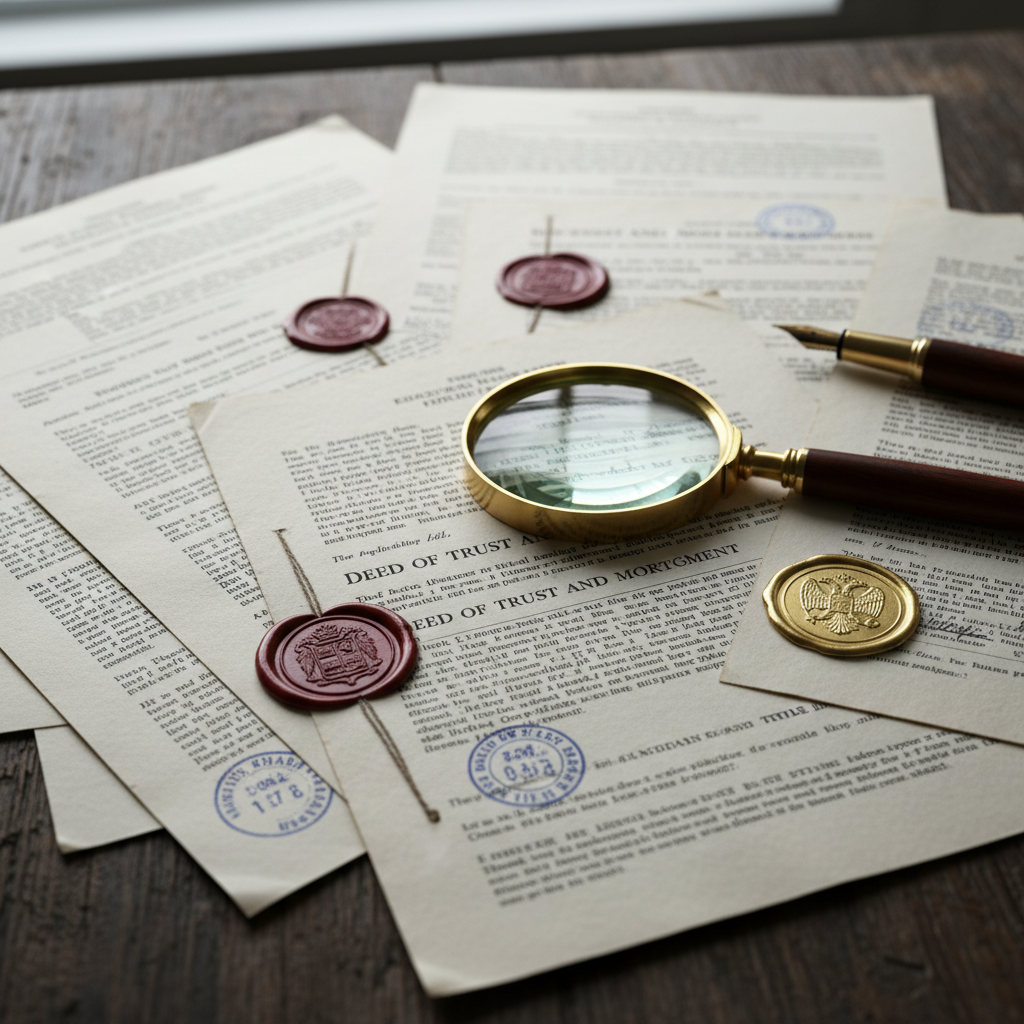
Several documents often require judicial translation, including:
- Contracts and agreements
- Witness statements
- Court decisions and rulings
- Legal certifications
Choosing the Right Translator
Selecting the right translator is crucial for accurate judicial translations. Look for professionals with a strong background in law and fluency in the required languages. Certifications from recognized translation bodies can also be a good indicator of their expertise.
Consider the translator’s experience with similar legal cases and documents. A translator familiar with the specific legal system and terminology of both languages will ensure a more accurate and reliable translation.
Quality Assurance in Judicial Translations
Ensuring quality in judicial translations involves several steps, including proofreading and editing by another qualified translator. This minimizes errors and ensures consistency. Some translation services also offer notarization to certify the accuracy of the translation.

The Future of Judicial Translations
As globalization continues to expand, the demand for judicial translations is expected to grow. Technological advancements, such as machine translation, are making strides in the field, but human expertise remains irreplaceable due to the complexity and nuances of legal language.
Future developments may include more sophisticated AI tools to aid translators, but the need for skilled human translators will always persist, especially in complex legal scenarios.
Conclusion
Judicial translations play a vital role in ensuring justice and fairness in a globalized world. By understanding their importance and the factors involved in choosing the right translator, you can better navigate the complexities of international legal matters.