How to Prepare Your Documents for Court Translation Services


Understanding the Importance of Accurate Document Translation
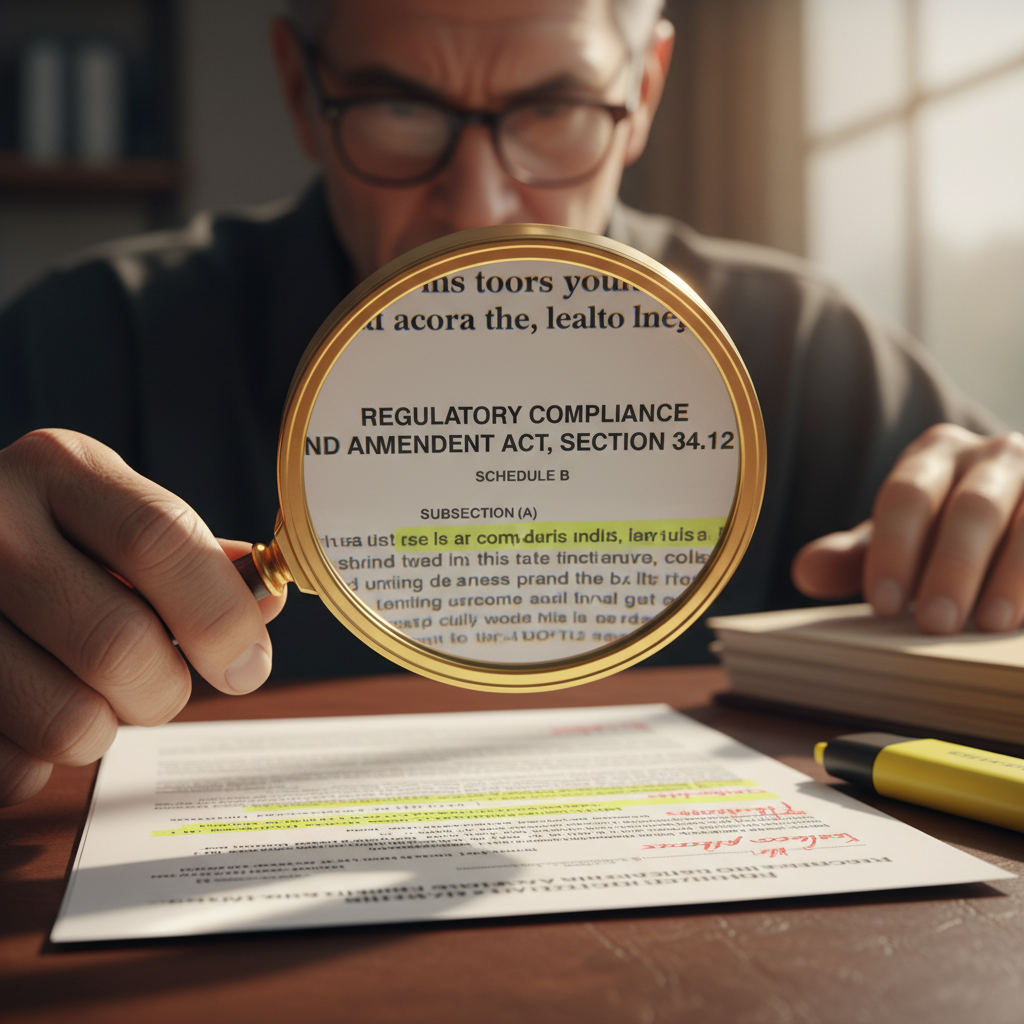
When preparing documents for court translation services, accuracy is paramount. Court documents often contain complex legal terminology that requires precise translation to ensure all parties understand the content. A minor error in translation can lead to misunderstandings that might affect the outcome of a case.

Organizing Your Documents
Before submitting your documents for translation, it is crucial to organize them effectively. Ensure that all files are clearly labeled and in the correct order. This organization will help the translation service to manage your documents efficiently and reduce the risk of errors.
Consider using digital formats whenever possible, as they are easier to handle and share. If you have hard copies, ensure they are scanned clearly and are legible. This attention to detail will facilitate a smoother translation process.
Selecting the Right Translation Service
Choosing a reputable court translation service is essential. Look for services that specialize in legal translation and have certified translators. Check for client reviews and testimonials to ensure their reliability and accuracy in handling legal documents.

Checking Translator Credentials
Verify the qualifications of the translators who will be handling your documents. They should possess a strong understanding of legal terminology in both the source and target languages. Certification from recognized translation bodies can be a good indicator of their expertise.
Preparing a Glossary of Terms
To assist the translators, prepare a glossary of specific legal terms that are frequently used in your documents. This glossary will serve as a reference and ensure consistency throughout the translation process. Include definitions or explanations for any complex terms that may not have direct translations.
Providing Context and Background
Whenever possible, provide translators with background information about the case. This context helps translators understand the nuances and intentions behind the documents, leading to more accurate translations. Remember, the more information you provide, the better the outcome.

Reviewing the Translated Documents
Once the translation is complete, review the documents carefully. Check for consistency, accuracy, and completeness. If possible, have a legal expert or bilingual colleague review the translation to ensure it meets the necessary standards.
Requesting Revisions if Needed
If you find any discrepancies or errors, contact the translation service promptly to request revisions. Open communication with the translators can help address issues quickly and ensure the final documents are accurate and ready for court submission.
Conclusion
Preparing your documents for court translation services requires careful planning and attention to detail. By organizing your files, selecting a qualified translation service, and providing detailed information, you can ensure accurate and effective translations. Remember, precise translations are crucial for fair and just legal proceedings.