Expert Tips for Accurate German to Macedonian Translations


Understanding the Cultural Context
When translating from German to Macedonian, understanding the cultural context is crucial. Each language carries its own nuances and cultural references that may not have direct equivalents in the other. It's important to be aware of these differences to ensure that the translation is not only accurate but also culturally appropriate.
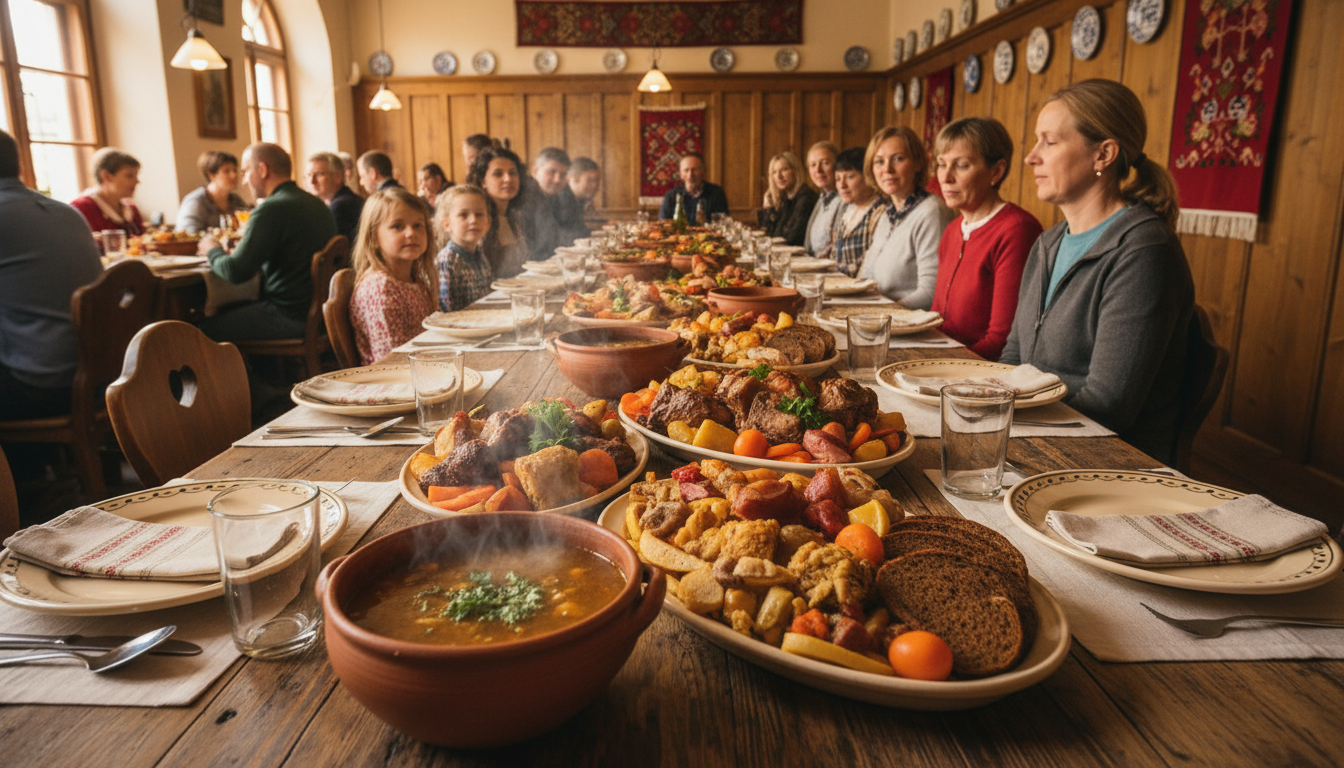
Researching Cultural Nuances
To effectively translate cultural nuances, immerse yourself in both German and Macedonian cultures. This might involve studying common idioms, traditions, and societal norms. By doing so, you can avoid literal translations that might not convey the intended meaning.
Mastering Language Proficiency
A strong grasp of both German and Macedonian is essential for accurate translations. This includes understanding grammar, syntax, and vocabulary. A bilingual dictionary can be a helpful tool, but it is no substitute for fluency in both languages.

Continuous Practice and Exposure
Regular practice and exposure to both languages can significantly improve your translation skills. Engage with native speakers, consume media in both languages, and practice writing to enhance your proficiency.
Utilizing Translation Tools Wisely
While translation tools can be incredibly helpful, they should not be solely relied upon. These tools are great for initial drafts or when dealing with straightforward text, but they often miss context and subtleties in language.
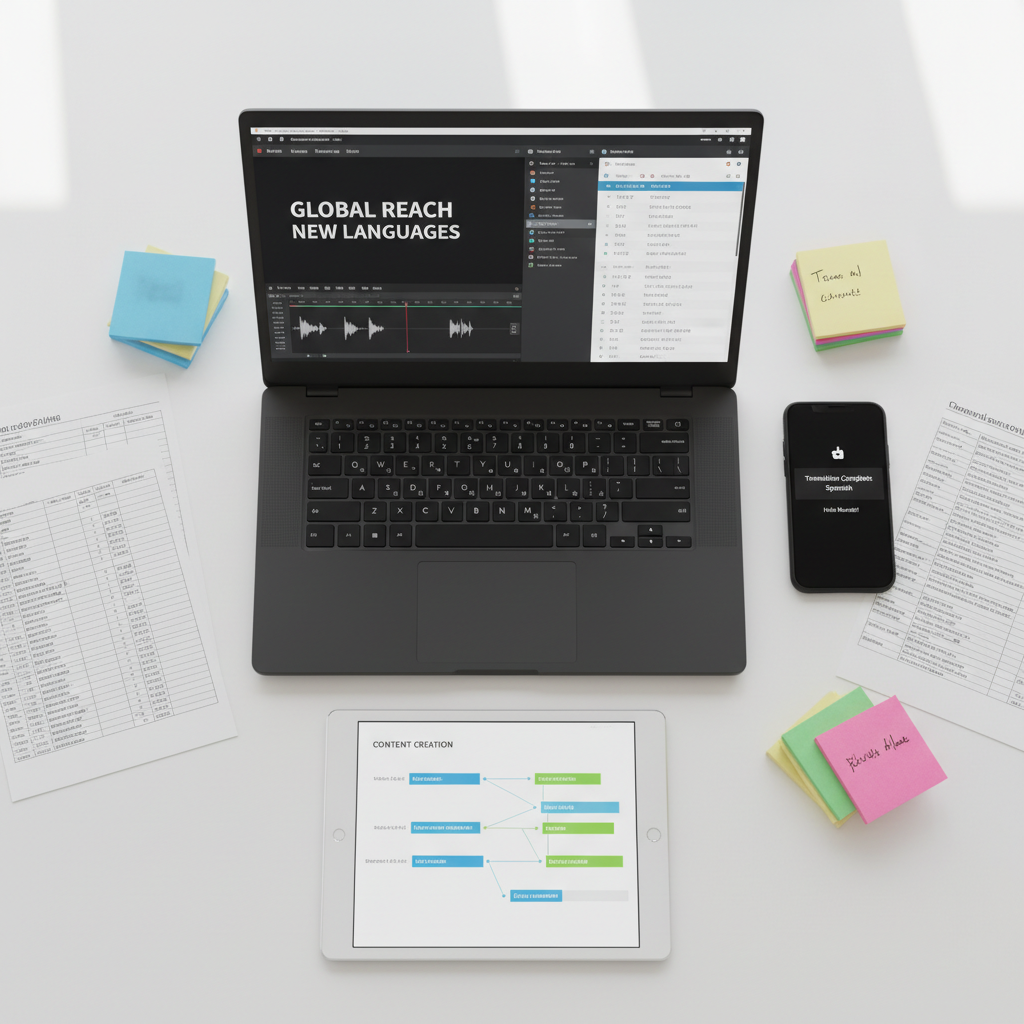
Combining Tools with Human Insight
For the best results, combine the use of translation tools with human insight. Proofreading and editing by a skilled translator can catch errors that automated tools might miss, ensuring accuracy and cultural relevance.
Focusing on Subject Matter Expertise
Expertise in the subject matter of the text being translated is another important factor. Whether you're dealing with legal documents, medical texts, or technical manuals, understanding the specific jargon and context is key to producing an accurate translation.
Consulting Subject Matter Experts
If you're not an expert in the field of the text you're translating, consulting with someone who is can be invaluable. Their insights can help you choose the right terminology and phrasing, ensuring that the translation is both accurate and professional.

Quality Assurance and Review
Finally, quality assurance through thorough review processes is vital. This includes proofreading for grammatical errors, checking for consistency in terminology, and ensuring the text flows naturally in Macedonian.
Implementing a Robust Review Process
Develop a systematic review process that involves multiple rounds of edits and feedback from different reviewers. This multi-layered approach can catch errors and improve the overall quality of the translation.